


How the Party Wall Act Protects Both Building Owners and Neighbours
Understanding your rights and responsibilities under the Act helps projects proceed smoothly while protecting both properties from unnecessary risk or dispute. This guide explains what each side is entitled to, what obligations apply, and how the process works in practice.

How to Avoid Party Wall Disputes
Building projects don’t have to create tension with neighbours. Here’s how to minimise the risk of disputes and keep your project running smoothly.

What To Do If Your Neighbour Dissents
Your project isn’t stopped. Dissent simply activates the formal Party Wall procedure, requiring surveyor involvement and a Party Wall Award before works begin. This guide explains what happens next and how the process protects both parties.

What Does “Dissent” Mean Under the Party Wall Act?
When you serve a notice under the Party Wall etc. Act 1996, your neighbour (known as the Adjoining Owner) has 14 days to respond.
If they explicitly dissent, or fail to respond within 14 days,the law treats this as a dissent.

Understanding How Neighbouring Property Condition Is Recorded Before Building Works Begin
A Schedule of Condition is one of the most effective ways to prevent disputes during construction. It provides a clear, detailed record of a neighbouring property before any work starts, allowing both owners and surveyors to assess objectively whether damage has occurred later.
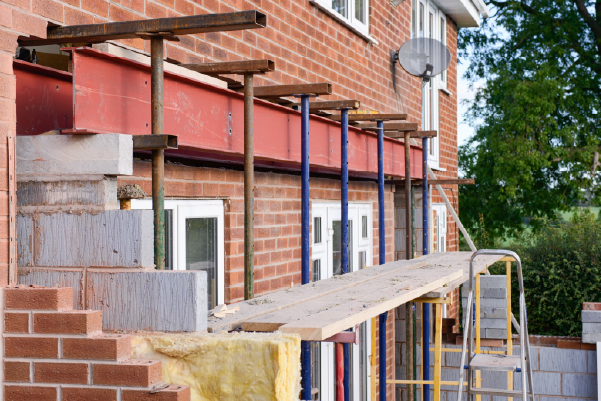
When Building an Extension Requires Party Wall Notices and Awards
Extensions are one of the most common reasons homeowners need to comply with the Party Wall etc. Act 1996. Whether you’re extending to the side, rear, or over an existing structure, any work that affects a shared wall, boundary line, or neighbouring foundations may require formal Party Wall Notices and, in some cases, a legally binding Party Wall Award.

Party Walls – Understanding Your Rights and Responsibilities
This guide explains what each side is entitled to, what obligations exist for both building owners and neighbours and how the process works in practice.

What Surveyors Look For in a Schedule of Condition
Surveyors inspect and document a wide range of building elements, ensuring transparency, accuracy and legal protection for all parties. This guide explains what surveyors look for during a Schedule of Condition inspection and why it matters.
Party Wall Agreement vs Party Wall Award
Homeowners often hear both terms used interchangeably, but in Party Wall matters they do not mean the same thing. This guide explains the difference, when each term is used, and what you should expect during the process.

Common Mistakes in Party Wall Agreements
Common mistakes can cause delays, added costs and unnecessary friction. With clear guidance, early communication and the support of an experienced surveyor, most issues are easily prevented.

How the Party Wall Act applies to basement excavations, conversions and extensions
This guide explains when the Act applies, what notices are required, and how Bristol Party Wall supports basement projects from early planning through to completion.
Party Wall for New Build Boundaries
This guide explains when boundary works fall under the Act and what notices are required.
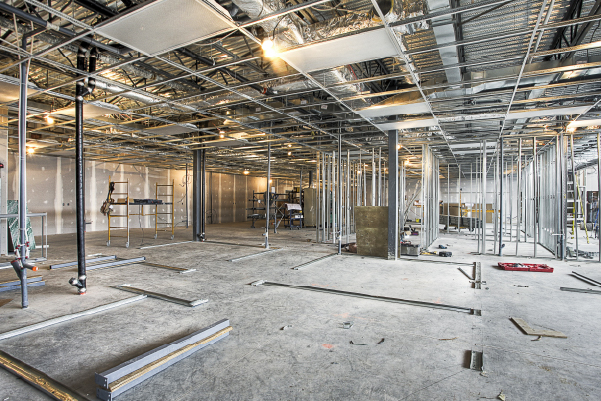
Party Wall for Commercial Projects
How the Party Wall Act applies to shops, offices, mixed-use buildings and commercial developments.

Party Wall for Internal Structural Works
Many homeowners assume that if construction happens entirely within their property, the Party Wall Act doesn’t apply. However, certain internal structural works can still affect a shared (party) wall or adjoining property – which means a Party Wall Notice is required.